Guide
Rome on a Budget
Written by
Tammie King
Plan a first Rome trip with realistic daily budgets, smart stay areas, cheap eats, and the tours and sights most worth paying for.
Give yourself a few days in Rome if you can. It is one of those cities where even an ordinary walk can feel special, because a church, fountain, ruin, or beautiful square seems to appear around almost every corner.
What stayed with me most about Rome was how layered it felt, with ancient history, busy streets, and everyday local life all mixed together. Some of the best moments are free, like wandering through the historic center, stopping in piazzas, crossing bridges, or sitting with a gelato and taking in the atmosphere. But Rome is also one of those places where I would not be so careful with my budget that I skipped the paid sights that really bring the city to life.
I recommend 3+ full days to take in Rome.
Is Rome expensive?
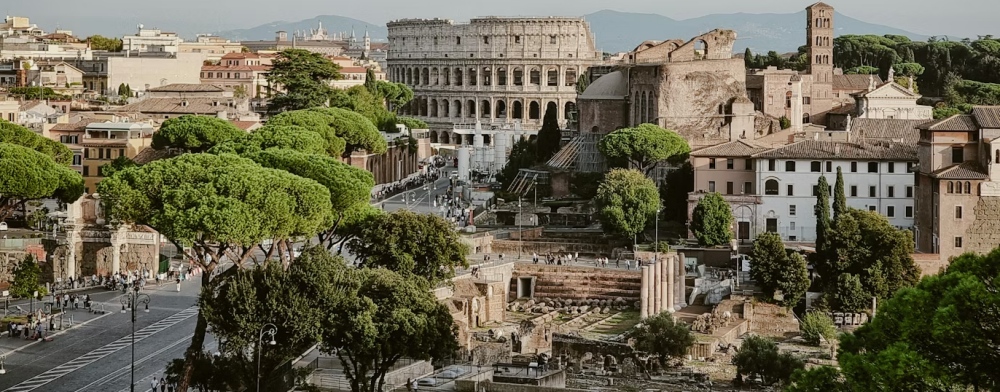
Rome is not the cheapest city break in Europe, but it is easier to manage on a budget than people sometimes expect. The reason is simple: so much of what makes Rome feel special is built into the streets. Fountains, piazzas, churches, bridges, ruins, and long walks through the center do a lot of the work for you.
A realistic daily budget, excluding flights, usually looks something like this:
- Cheap: about EUR 95-150 per person per day. This works best if you stay simply, walk a lot, keep meals casual, and limit yourself to one major paid sight or tour.
- Moderate but budget-conscious: about EUR 160-250 per person per day. This range gives you a better room, a mix of casual and sit-down meals, some transport when you need it, and room for a couple of the biggest sights.
- Comfortable / splurge-light: EUR 270+ per person per day. At this level you can stay more centrally, book more tours, and spend more freely on restaurants and museum entries.
If I were trying to keep Rome affordable, I would rather save money on everyday things like coffee, lunch, and transport than skip the Colosseum or the Vatican if they really matter to me.
Where to stay in Rome on a budget
Where you stay matters a lot in Rome, because a smart neighborhood choice can save both money and time.
- Monti. One of the best first-time bases if you want atmosphere, walkability, and easy access to ancient Rome without paying the highest historic-center prices.
- Prati. A very practical option if the Vatican matters to you and you want a cleaner, calmer-feeling base that is still well connected.
- Trastevere. A lovely area for food and evening atmosphere, but it makes more sense if you are comfortable with a busier, noisier neighborhood.
- Termini / Esquilino. Often one of the better value areas for hotels and transport links. It is practical, though not nearly as romantic as staying deeper in the historic core.
I would not pay a huge premium just to stay near Trevi Fountain or Piazza Navona. Rome is one of those cities where a slightly less glamorous base can still leave you within easy reach of everything that matters.
How to Get Around Rome on a Budget
Rome rewards walking more than almost any other major city, but it is still worth knowing when public transport actually helps.
- Walk the historic center whenever you can. Trevi Fountain, the Pantheon, Piazza Navona, Campo de’ Fiori, and the Spanish Steps all connect well on foot.
- Use the metro for the longer practical jumps. It is especially useful for places like Termini, the Colosseum area, and the Vatican side of the city.
- Use buses and trams when walking stops being fun. They can be helpful, but Rome traffic means they are not always as fast as people hope.
- Only buy a transport pass if you know you will use it enough. If you are staying centrally and mostly exploring on foot, passes often make less sense than people assume.
- Treat taxis as the exception. They are useful late at night or when you are tired, but they are not the best default for a city where so much is clustered.
Walking Times Between Major Rome Sights
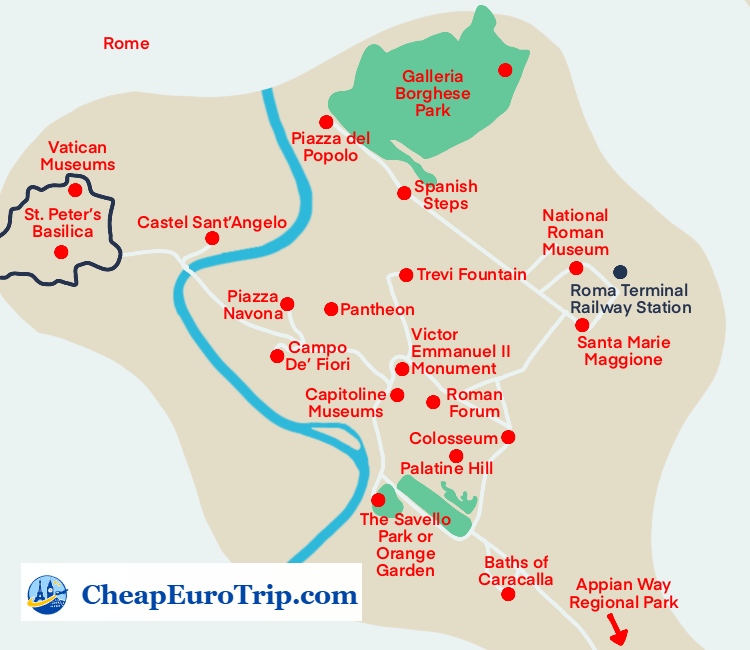
- Spanish Steps to Trevi Fountain: 10 minutes
- Trevi Fountain to Pantheon: 8 minutes
- Pantheon to Piazza Navona: 4 minutes
- Piazza Navona to Campo de’ Fiori: 8 minutes
- Campo de’ Fiori to Victor Emmanuel II Monument: 18 minutes
- Victor Emmanuel II Monument to Capitoline Museums: 5 minutes
- Capitoline Museums to Roman Forum: 10 minutes
- Roman Forum to Colosseum: 10 minutes
- Colosseum to Orange Garden: 25 minutes
That walkability is one of the biggest reasons Rome works so well for budget travelers.
Best Cheap Eats in Rome
Rome is one of the easiest places to eat well without constantly spending a lot, as long as you do not make every meal a long sit-down one in a tourist square.
- Use pizza al taglio, supplì, sandwiches, and casual lunch counters well. These are some of the easiest budget wins in the city.
- Drink coffee standing at the bar when you can. That is often the local habit, and it is usually cheaper than sitting down and paying table service.
- Save your full restaurant meal for once a day or once every couple of days. Rome has enough casual food options that you do not need a big sit-down meal every time you are hungry.
- Be more careful near the busiest landmark zones. Places right beside the Pantheon, Trevi, and the most crowded piazzas make it very easy to overpay for average food.
- Keep gelato in the budget. This is one of those Rome pleasures I would not try to optimize away.
If food matters a lot to you, Rome is also one of the easier cities to justify one good food tour instead of a lot of random restaurant guesses.
Best Free Things to Do in Rome
Rome is excellent for budget travelers because so much of its atmosphere is available without a ticket.
- Walk between the Pantheon, Trevi Fountain, Piazza Navona, Campo de’ Fiori, and the Spanish Steps. That alone gives you a very satisfying first-time Rome day.
- Visit churches and basilicas. St. Peter’s Basilica is the biggest example, but Rome is full of remarkable interiors you can enter for little or no cost.
- Spend time in piazzas and around fountains. Rome does not need to be rushed, and some of the best memories come from simply stopping in the right places.
- Walk across the Tiber and along the bridges. The city changes nicely as you move between neighborhoods.
- Visit Villa Borghese or the Orange Garden. They are easy ways to break up the heavier sightseeing without spending anything.
- See the city at night. Rome’s landmarks and fountains feel especially good after dark, and that is one of the best free parts of the trip.
A Simple 3-Day Rome Budget Plan
If this is your first time, I would keep the trip centered on a few major priorities and let the rest of Rome happen in between them.
- Day 1: ancient Rome. Make the Colosseum and Roman Forum your main paid sight, then leave the rest of the day open for slower walking, a piazza stop, and an easy dinner.
- Day 2: Vatican and west-side Rome. Do the Vatican Museums and St. Peter’s Basilica if they are high on your list, then cross back toward Castel Sant’Angelo and the historic center instead of stacking too much else onto the same day.
- Day 3: central Rome on foot. Walk the Spanish Steps, Trevi Fountain, Pantheon, Piazza Navona, and Campo de’ Fiori. This is the day to let Rome feel generous without paying for every block.
That kind of plan keeps the trip full without making it feel like a nonstop line of tickets and reservations.
What to See in Rome: Top Sights for First-Time Visitors
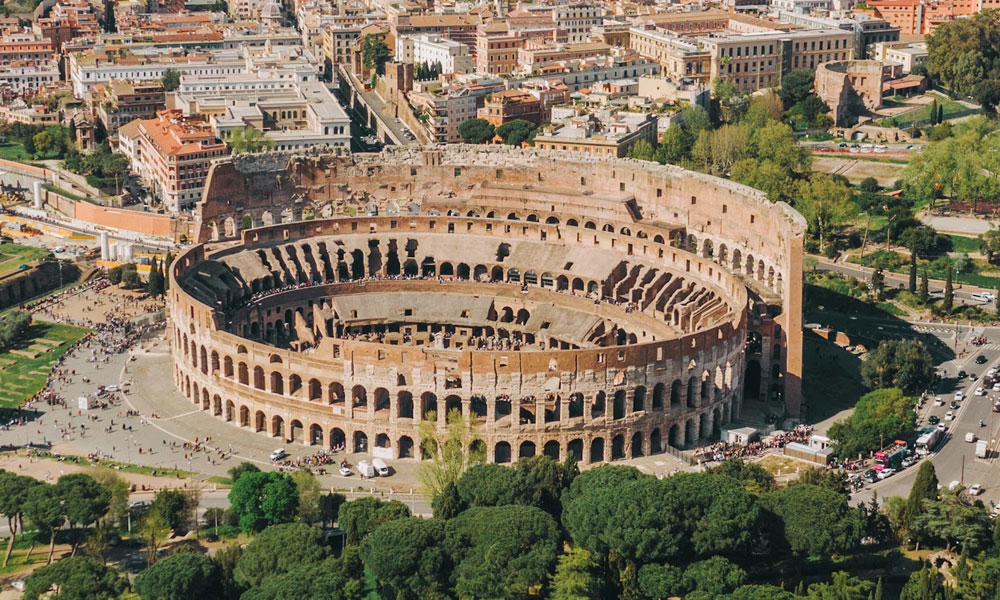
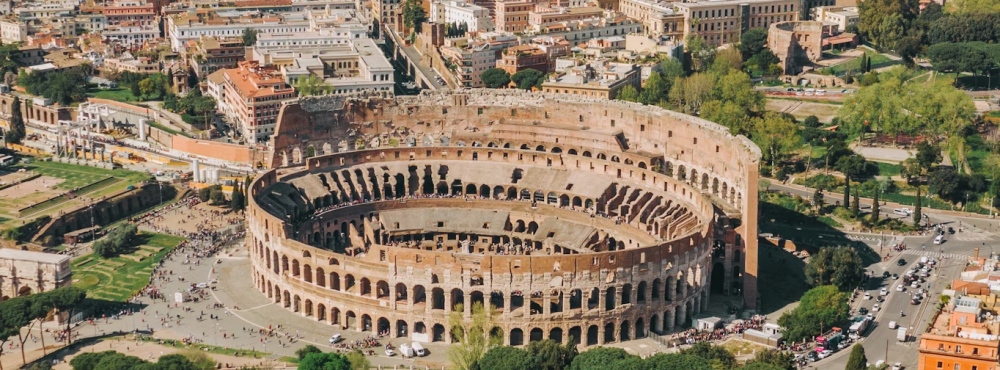
- Colosseum and Roman Forum. Free from the exterior / Price: moderate to go inside. ⭐⭐⭐ The most iconic sight in Rome, and one of the few places where I would say paying to go in is very much worth it for first-time visitors.
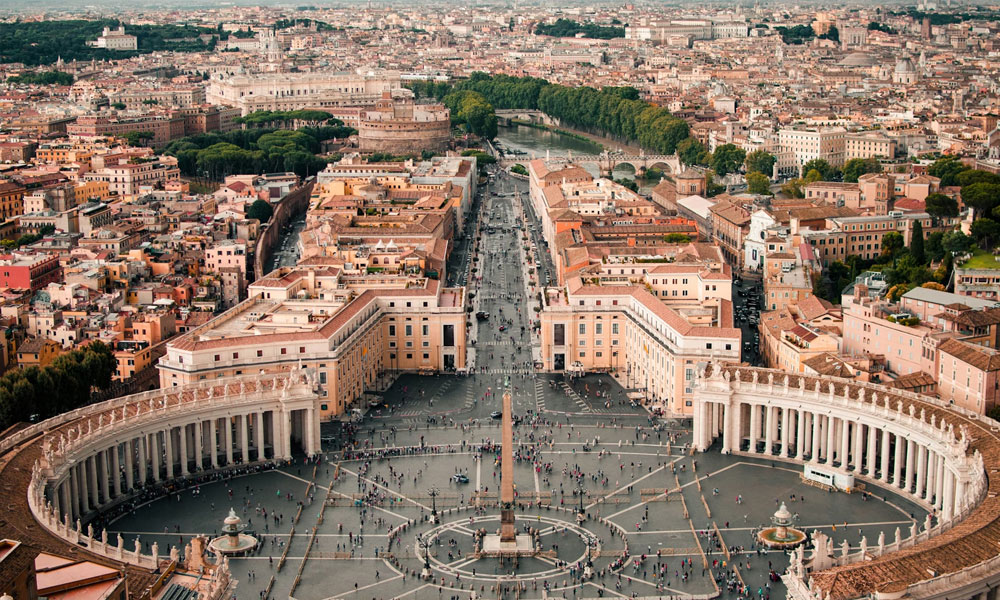
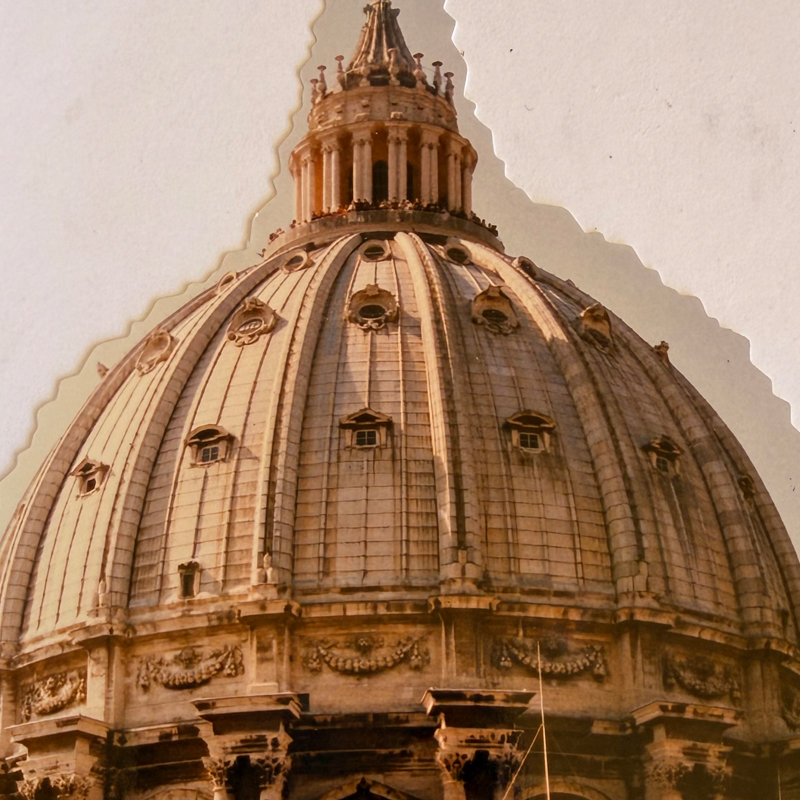
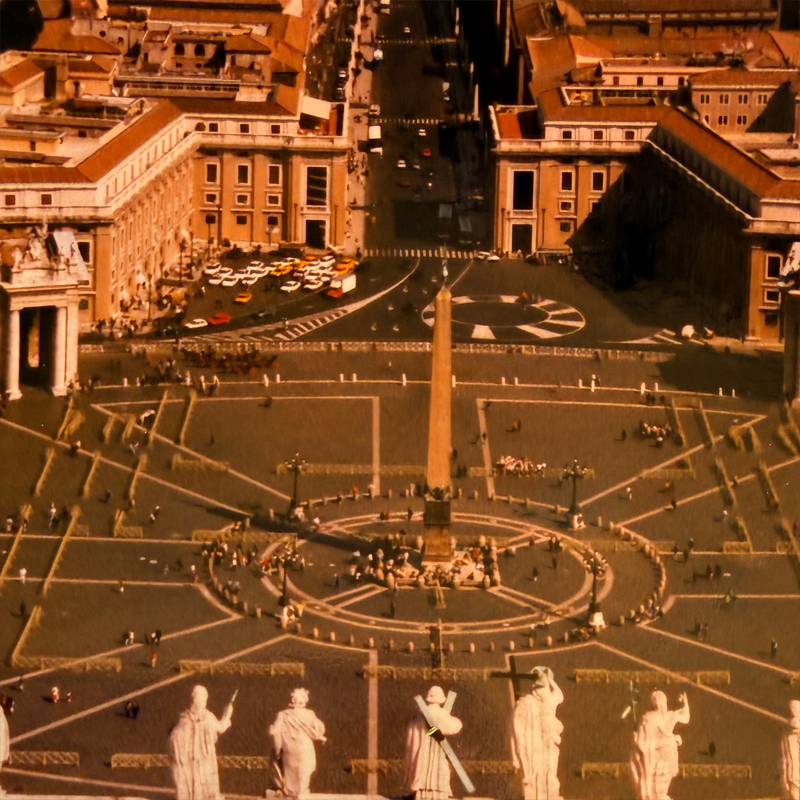
- St. Peter’s Basilica. Free entry when open. ⭐⭐⭐ One of Rome’s absolute must-sees, and even if you keep costs down, the basilica itself is still one of the most impressive free interiors in the city.
- Pantheon. Free from the exterior / low-cost to go inside. ⭐⭐⭐ A must-see in the historic center, and one of the most memorable places in Rome even if you only admire it from the square outside.
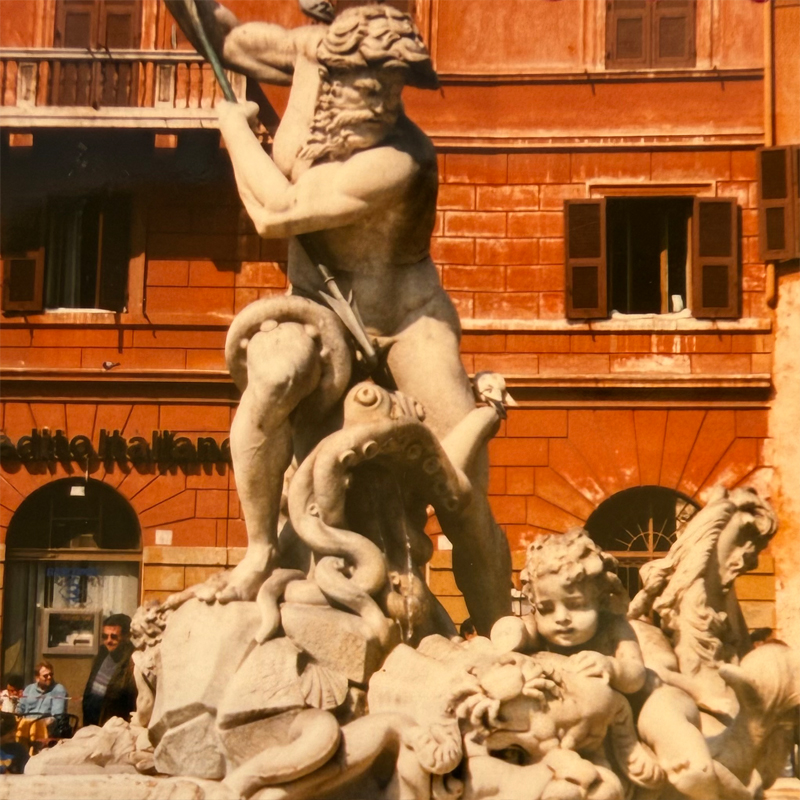
- Piazza Navona. Free. ⭐⭐⭐ One of the loveliest places to soak up Rome’s atmosphere, and an easy stop to work into any walk through the historic center.
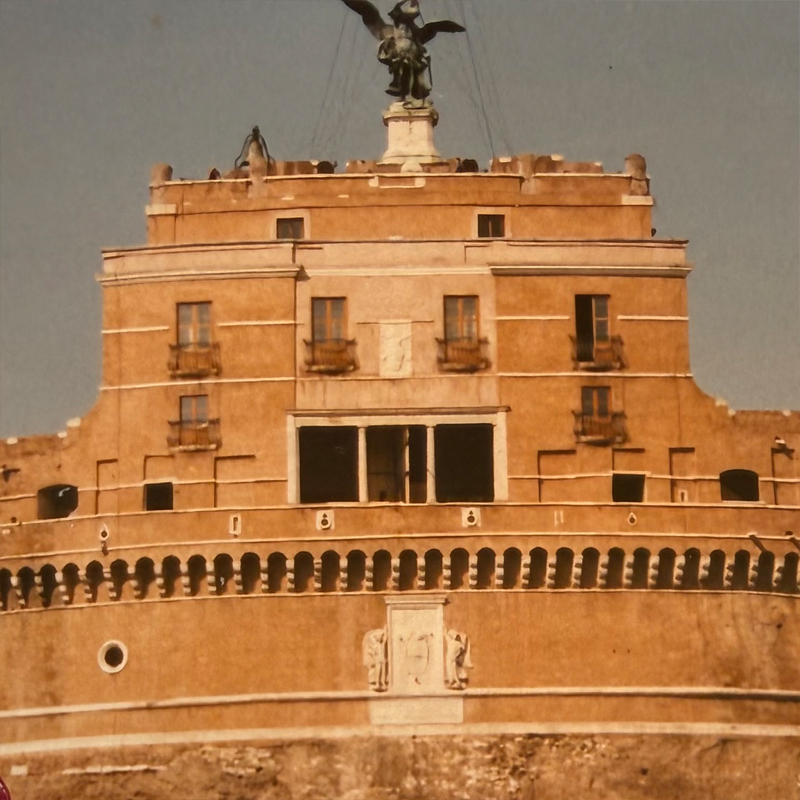
- Castel Sant’Angelo. Price: Moderate. ⭐⭐ A strong pick if you want a major historic sight with good views, and it pairs especially well with a walk across the river toward St. Peter’s.
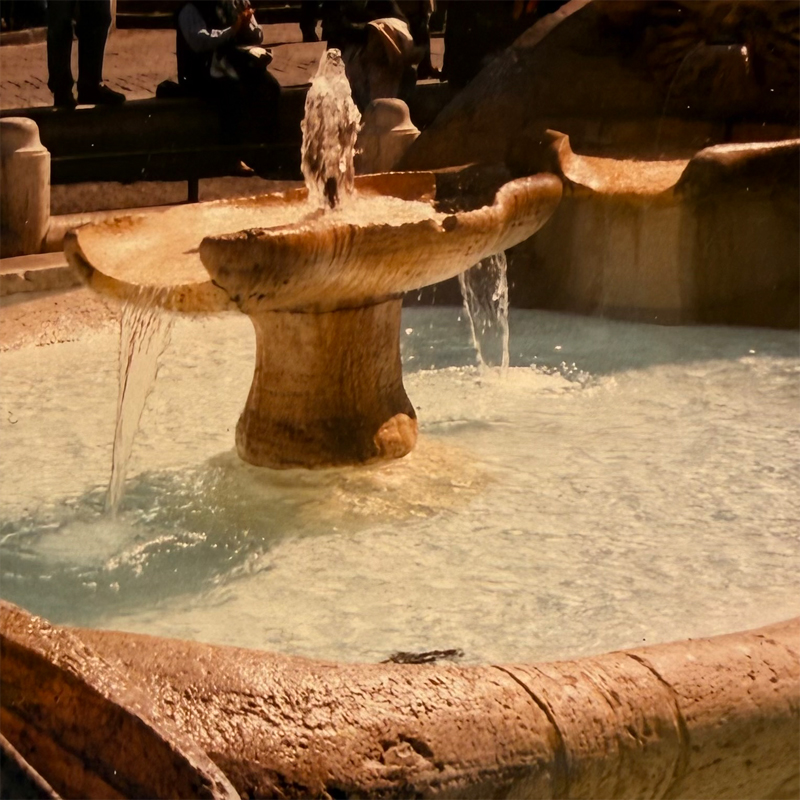
- Trevi Fountain. Free to view. ⭐⭐ Still one of Rome’s most iconic sights, and one that works best as part of an evening walk through the center.
- Spanish Steps. Free. ⭐⭐ A classic Rome stop that is worth seeing once, especially if you are already exploring the central shopping streets nearby.
- Campo de’ Fiori. Free. ⭐ More about atmosphere than sightseeing, but still an enjoyable place to pass through while exploring central Rome.
- Trastevere. Free to walk. ⭐⭐ A very worthwhile neighborhood if you want a more lived-in side of Rome with good food energy and a different feel from the biggest central sights.
Best Rome Tours Worth the Money
If you are trying to keep Rome affordable, I would choose one or two of these because they add real context or atmosphere, not because you feel like every famous place needs a paid upgrade.
- Colosseum underground or arena tour. ⭐⭐⭐ One of the most worthwhile Rome splurges if ancient history is high on your list, because it makes the city’s most famous sight feel much more memorable.
- Vatican Museums guided tour. ⭐⭐⭐ A very strong splurge if the Vatican matters to you, because it helps turn an overwhelming visit into a much more meaningful one.
- Ancient Rome walking tour. ⭐⭐⭐ A great choice if the Colosseum, Forum, and the city’s ancient history are high on your list, because it helps bring the ruins to life.
- Historic center walking tour. ⭐⭐ One of the best options for first-time visitors, especially if you want an easy introduction to Rome’s fountains, piazzas, and famous landmarks in one walk.
- Rome by night tour. ⭐⭐ A very good splurge in Rome, especially in warmer months, when the city feels beautiful after dark and many of the big sights are even more atmospheric lit up.
- Food tour. ⭐⭐ A fun splurge if you want to experience more than just the monuments and try Roman specialties with a little guidance instead of figuring it all out yourself.
- Bus tour. ⭐⭐ A worthwhile pick for first-time visitors who want an easy overview of the city without putting quite so much strain on their feet.
Rome Museums and Libraries Worth Visiting
- Borghese Gallery. Price: Expensive. ⭐⭐⭐ One of the best paid museums in Rome if you want something more manageable than the Vatican, with a collection that feels especially memorable.
- Vatican Museums and Sistine Chapel. Price: Expensive. ⭐⭐⭐ One of the biggest must-see sights for first-time visitors, even though it is technically in Vatican City rather than Rome.
- Capitoline Museums. Price: Moderate. ⭐⭐ A very worthwhile museum for first-time visitors, especially if you want ancient Rome collections in a setting that also feels historic in its own right.
- Ara Pacis Museum. Price: Moderate. ⭐⭐ A good pick if Roman history interests you and you want something smaller and easier to fit into a day of central sightseeing.
- Montemartini Museum. Price: Moderate. ⭐⭐ One of Rome’s most interesting museum choices if you want something a little different, with ancient sculpture displayed in a former industrial power plant.
Best Parks and Gardens in Rome for First-Time Visitors
Parks are a great place to have a picnic. Pick up a few things at a local grocery store, then slow down and enjoy the people-watching.
- Villa Borghese. Free. ⭐⭐⭐ One of the best places in Rome to slow down for a while, with lots of space, pleasant walks, and an easy location near central sights.
- Appian Way Regional Park. Free. ⭐⭐⭐ One of the most worthwhile free historical parks in Rome, especially if you want something that feels older, quieter, and very different from the busy center.
- Orange Garden. Free. ⭐⭐ A lovely short stop if you want a peaceful break and a nice viewpoint without needing to spend anything.
Best Day Trips from Rome
- Pompeii. ⭐⭐⭐ One of the most worthwhile day trips from Rome if ancient history is high on your list, especially because it feels like a major bucket-list sight without changing hotels.
- Tuscany. ⭐⭐⭐ A classic splurge from Rome if you want a beautiful day of rolling hills, wine-country scenery, and hill towns that feel completely different from the city.
- Amalfi Coast. ⭐⭐⭐ A very popular pick if you want one big scenic day, with dramatic coastal views and pretty towns that feel like a real change from Rome.
- Florence. ⭐⭐ A good choice if seeing another major Italian city is high on your list, especially for first-time travelers who want art, famous landmarks, and a full day that feels different from Rome.
- Capri. ⭐⭐ A memorable pick if you want a day that feels more special and scenic, with island views and a classic Italian getaway atmosphere.
My Favorite Travel Map for Rome
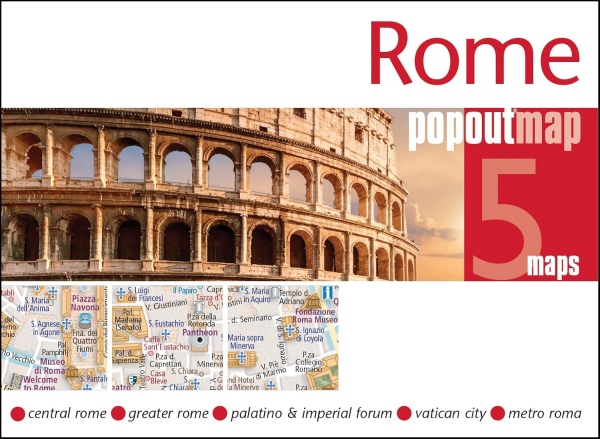
My favorite maps are from the PopOut Maps company.
One thing I always like to have with me is a PopOut map of the city I’m exploring. Some cities have just overhead maps, while others also have maps for transportation.
I like these maps because they are unique in that they fold down into a small rectangle. That makes them easy to slip into a purse, day bag, or even a larger pocket. You can find them on Amazon.

Tammie King
Tammie has traveled extensively across Europe, including time spent in England, France, Italy, Ireland, Scotland, Wales, The Netherlands, Austria, Switzerland and the Czech Republic. She focuses on making smart travel decisions and getting the most value from every trip. Her advice is honest, practical, and designed to help others experience Europe for less without missing out.