Article
Rome in 3 Days on a Budget: A First-Time Itinerary
Written by
Tammie King
If it is your first time in Rome, I think 3 days is a really good amount of time. You can see the big sights, enjoy the atmosphere, eat plenty of gelato, and still leave room for those slower moments that make Rome feel special.
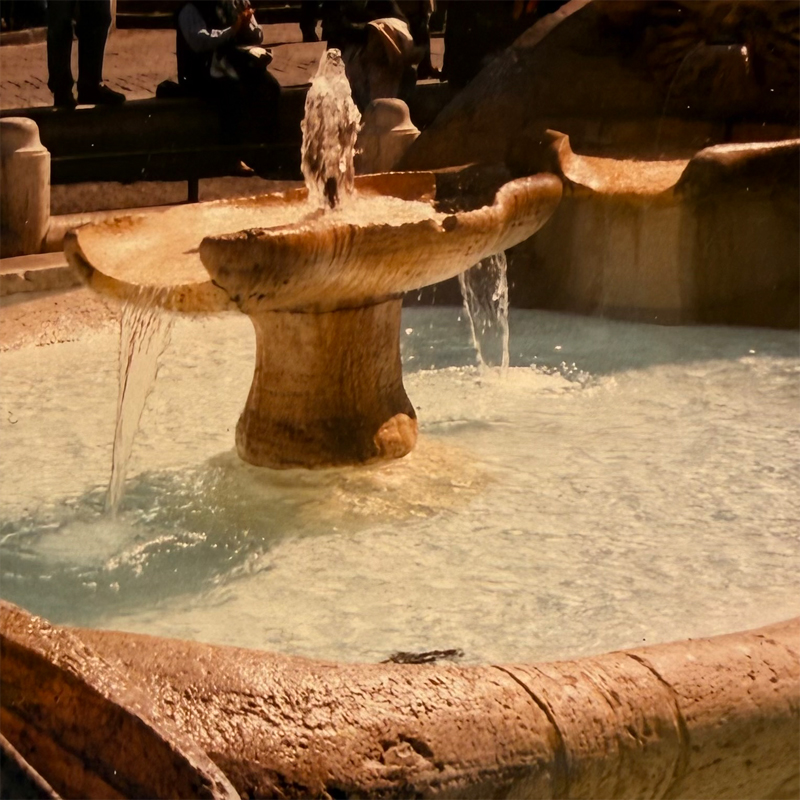
What I remember most about Rome is how much of it stayed with me long after the trip. The fountains especially did that. There is something about turning a corner and seeing another beautiful fountain, another piazza, another grand building, and realizing this city just keeps giving you more. I also had gelato every day, and I never regretted it once. As far as I am concerned, gelato calories do not count in Rome. With all the walking you do here, calories should not be something you spend your trip worrying about.
Rome is also one of the best cities for simply exploring on foot. Many of the major sights are an easy walk from one another, especially through the historic center. That is one of the reasons I think Rome works so well for budget travelers. You do not always need to rely on transportation. Some of the best parts of the trip happen while walking between one famous place and the next.
This itinerary is for first-time visitors who want the classic Rome experience without making every moment feel rushed or every decision feel expensive.
First, a simple Vatican note
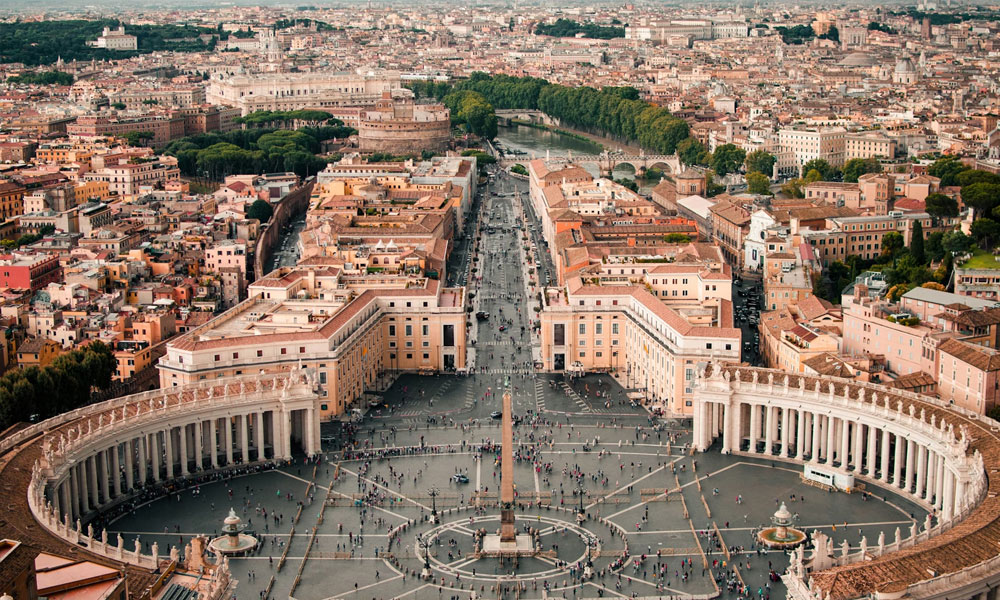
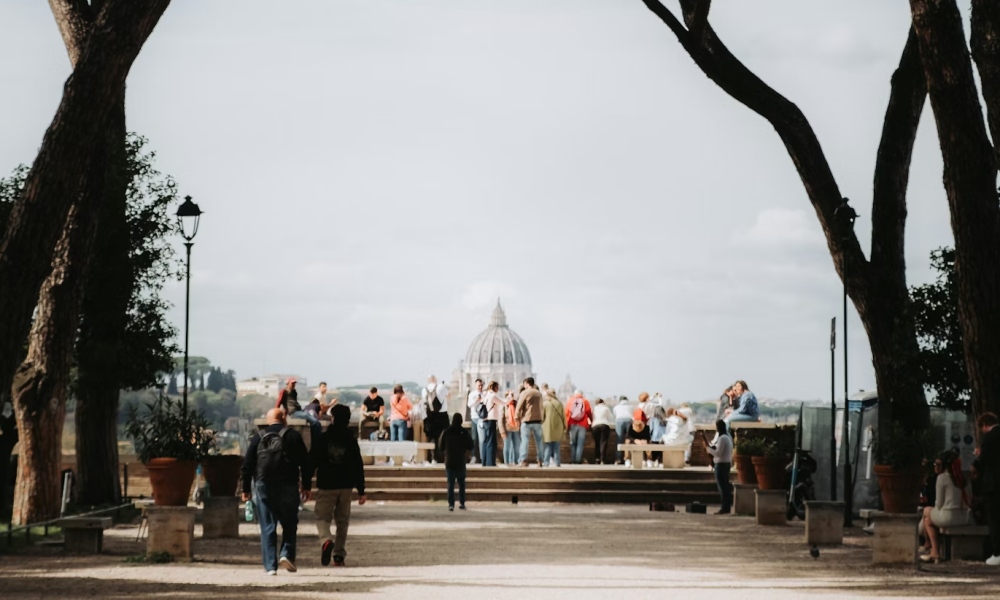
The Vatican is its own independent country set inside Rome, which is one of those things that sounds unusual until you see how naturally it fits into a Rome trip. Vatican City became a sovereign state under the Lateran Treaty in 1929, and that is why places like St. Peter’s Basilica and the Vatican Museums are technically in Vatican City rather than Italy.
For practical trip planning, though, it feels like part of Rome. You visit it right along with the rest of the city, and if it is your first time in Rome, I absolutely think it belongs in your itinerary. I did the Vatican Museums tour and found it unbelievably informative. It added so much more meaning to what I was seeing than if I had just hurried through on my own.
Day 1: Ancient Rome and the big first impressions
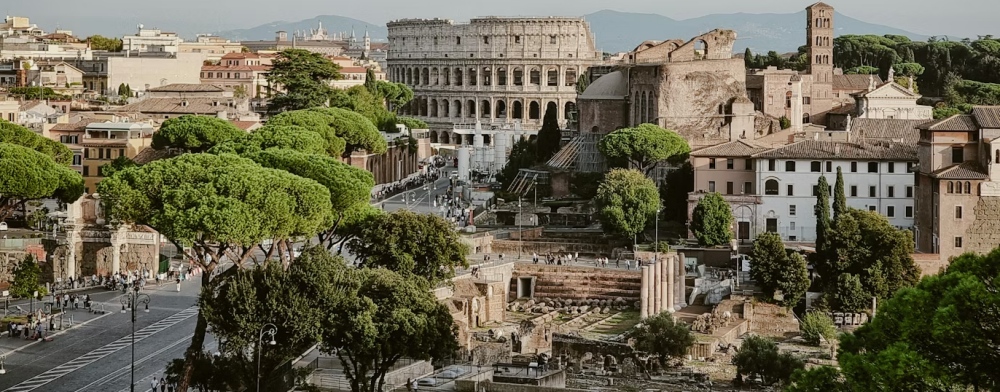
Your first day is the one I would give to ancient Rome. This is the day for seeing the city’s most iconic ruins and letting the scale of it all sink in.
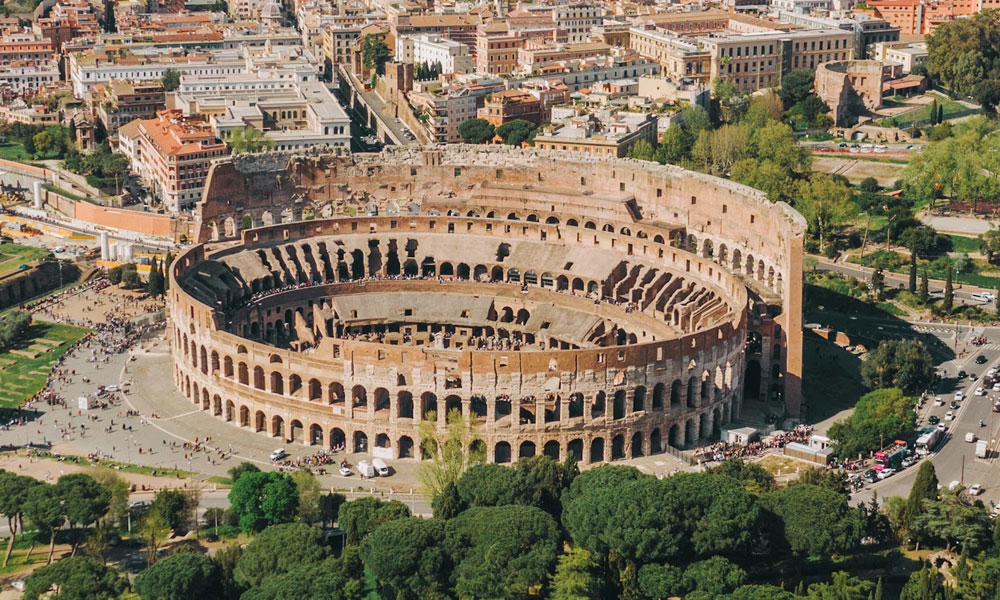
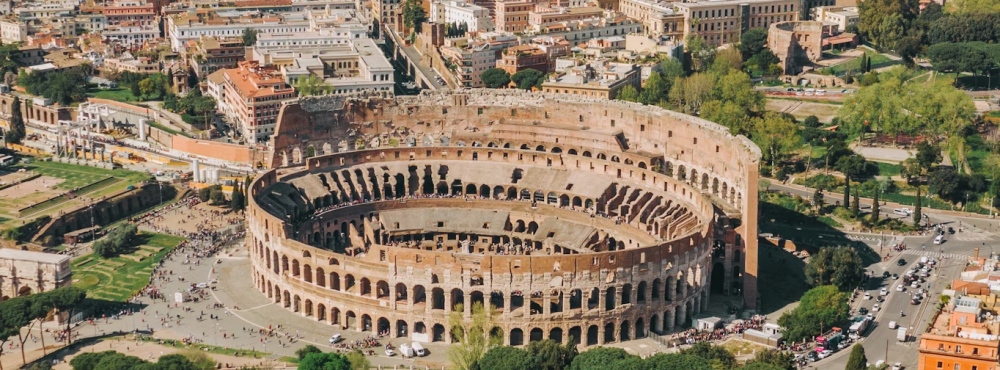
Start with the Colosseum. Even from the outside, it makes an impression, but for a first trip I do think going inside is worth it. The official Colosseum site currently lists a standard 24-hour ticket plus pricier arena-level and full-experience options, and Colosseum entry requires a reserved time slot, so this is one to book ahead.
After that, continue through the Roman Forum and Palatine Hill. This part of Rome can take more energy than people expect, so I would not overload the rest of the day with too many formal attractions. Let this be the main event.
Later, walk toward the Victor Emmanuel II Monument area and then keep going into the historic center if your feet still have some life left in them. Rome rewards this kind of wandering.
For the evening, I would keep it simple. Get dinner, grab a gelato, and walk to a fountain or piazza. Rome at night has its own magic.
Day 2: The Vatican and St. Peter’s
I would make the Vatican your second day. That gives you one full day for ancient Rome and one full day for the religious and artistic side of the trip.
Start with the Vatican Museums. This is where I really recommend a tour if it fits your budget, because there is so much here that having context makes a huge difference. That was exactly how I felt. My museum tour was so informative, and it made the visit much more memorable for me. As of March 2026, official Vatican Museums pricing lists full entry at €20, with a €5 online booking fee for official skip-the-line reservations, and the Vatican warns travelers to use its official ticket site to avoid overpriced third-party sellers.
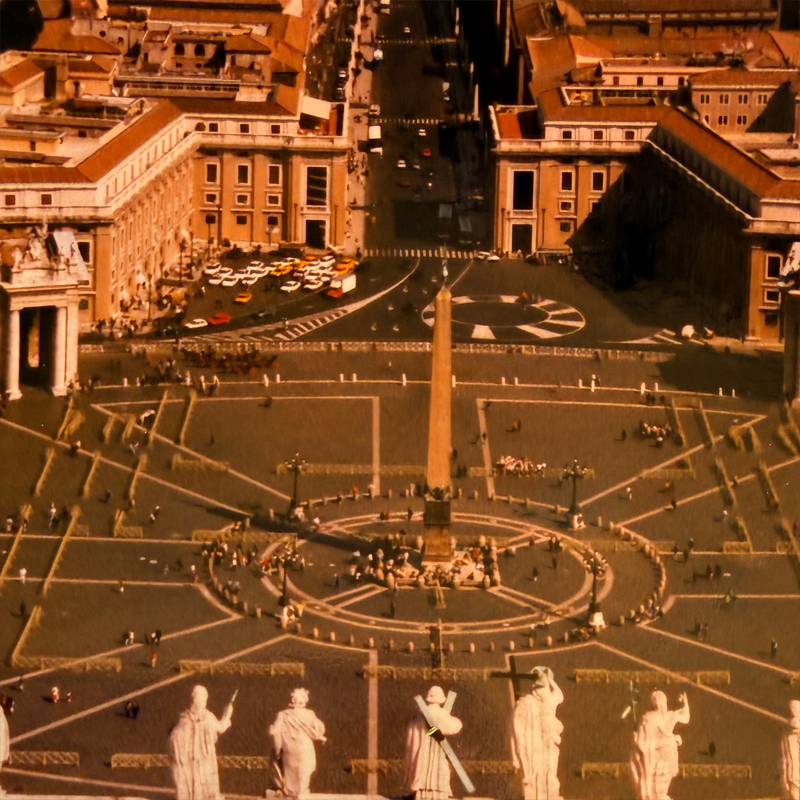
After the museums, spend time at St. Peter’s Basilica. Entry to the basilica itself is free, though there can be security lines, and optional booked entry products include a digital audio guide.
This is a good day to accept that you may be tired by the end of it. The Vatican can be a lot. That is another reason I like giving it its own day.
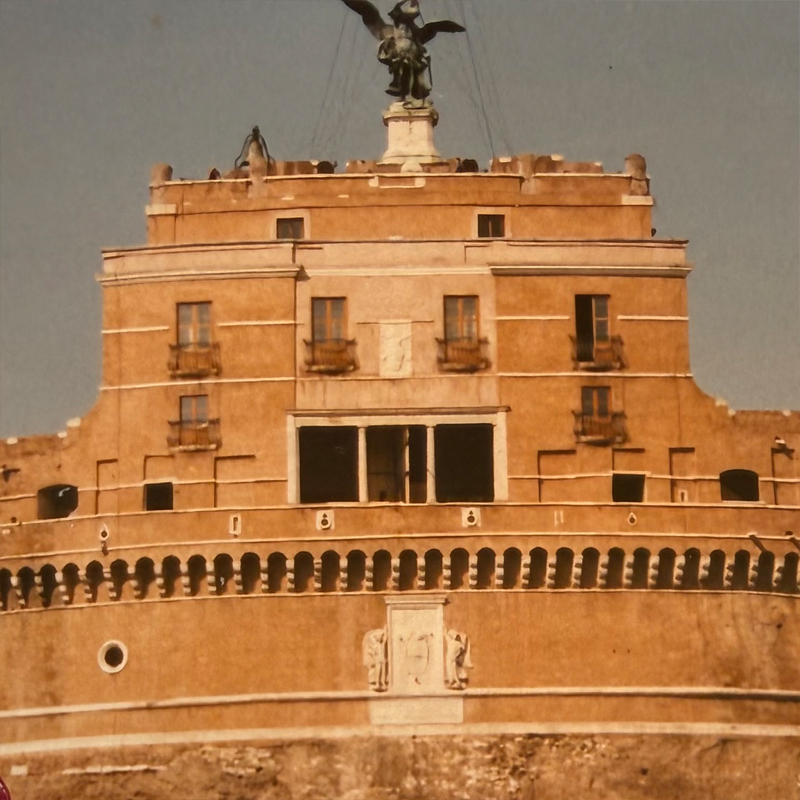
If you still have energy later, walk across the river and spend the evening around Castel Sant’Angelo or back in the historic center.
Day 3: Fountains, piazzas, and the Rome that stays with you
This is the day for the Rome that lingers in your memory.
Start with the Spanish Steps, then walk to the Trevi Fountain. This is one of the places that stayed with me most. Rome’s fountains really do leave an impression. Trevi is crowded, yes, but it is still worth seeing. From there, head to the Pantheon, which remains one of the greatest easy wins in central Rome because it fits naturally into a walking day. As of March 2026, official Pantheon admission is €5 for a full-price ticket.
Then continue to Piazza Navona, which is another one of those places where the fountain, the buildings, and the whole setting just feel unmistakably Roman.
If you want to keep going, walk on to Campo de’ Fiori or across the river for a different feel. This day does not need to be packed with museum tickets. It works best when it feels open and flexible.
This is also the perfect day to stop for long meals, coffee, and yes, more gelato.
Why Rome works so well on a budget
Rome is a city where a lot of the magic is free. You can pay for the biggest sights that matter most to you, then fill the rest of your trip with piazzas, churches, bridges, fountains, and scenic walks.
That is one of the reasons I think Rome is such a great first-time city. You are not forced to spend constantly to feel like you are experiencing it. In fact, some of my favorite memories are exactly the kinds of moments that cost very little. Walking through the city. Seeing fountains appear one after another. Ending the night with gelato. Letting the city unfold naturally.
My budget advice for this itinerary
If you are trying to keep costs down, I would prioritize these paid sights:
- Colosseum and Roman Forum
- Vatican Museums
- Optional Pantheon entry
Everything else can be built around walking and enjoying the city itself.
I would also book the Colosseum and Vatican in advance. Those are not the places I would leave to chance on a first trip. The official Colosseum site opens ticket sales 30 days before the visit date and requires a reserved Colosseum time slot, and the Vatican Museums likewise direct visitors to their official portal for online booking.

Tammie King
Tammie has traveled extensively across Europe, including time spent in England, France, Italy, Ireland, Scotland, Wales, The Netherlands, Austria, Switzerland and the Czech Republic. She focuses on making smart travel decisions and getting the most value from every trip. Her advice is honest, practical, and designed to help others experience Europe for less without missing out.