Article
How to Save Money on a European Vacation (Without Missing What Matters)
Written by
Tammie King
Traveling to Europe is not cheap. Flights alone can feel like a barrier before you even start planning.
But once you get there, the difference between an expensive trip and a smart one comes down to how you spend each day.
The goal is not to cut everything. It is to spend intentionally, saving where it does not matter so you can enjoy what does.
Focus on What Actually Matters
The biggest mistake travelers make is being too strict with their budget and missing the experiences that define the trip.
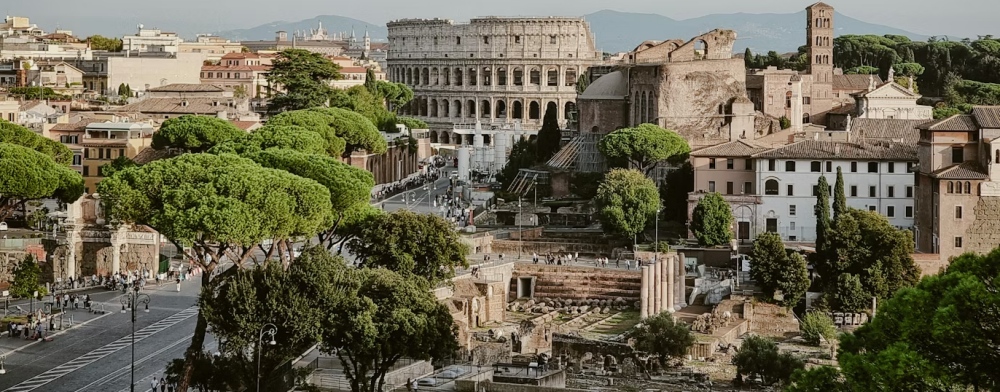
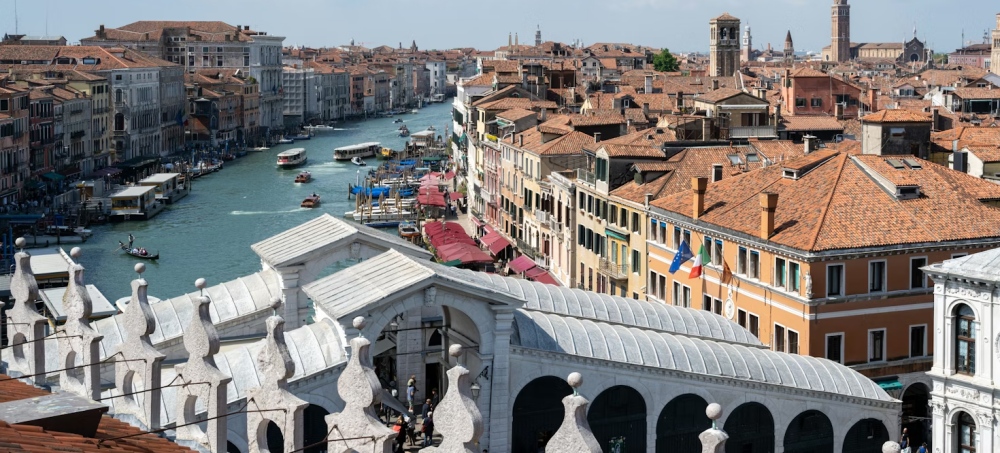
Europe’s iconic sights are iconic for a reason. You should see them.
Skip the mindset of “cheapest possible trip” and instead think:
Where is this worth it, and where is it not?
A great trip usually looks like:
- Free and low-cost sightseeing during the day
- One or two paid highlights that are truly worth it
- Simple meals balanced with a few memorable experiences
That balance is what keeps your trip both affordable and unforgettable
Save Big on Flights
Flights are often the most expensive part, but also the most flexible.
Tips that consistently work:
- Fly midweek (Tuesday–Thursday is usually cheapest)
- Use flight comparison tools and check multiple nearby airports
- Book 2–6 months in advance for best pricing
- Consider flying into one city and out of another (open-jaw tickets)
If you save $300–$500 here, that alone can fund your splurge experiences later.
Stay Smart, Not Fancy
Hotels in central Europe can get expensive fast, especially in cities like London, Paris, and Rome.
Better options:
- Budget hotels just outside the center (near metro lines)
- Small guesthouses or boutique stays
- Apartments for longer stays
You do not need luxury accommodations, you need:
- Clean
- Safe
- Easy access to transportation
You will not spend much time in your room anyway.
Eat Like You’re Local (Not Like a Tourist)
Food is one of the easiest ways to overspend.
You can eat well in Europe without spending much if you adjust how you eat.
Best ways to save:
- Grab breakfast from bakeries (pastries, coffee, sandwiches)
- Pick up lunch from markets or grocery stores
- Eat street food or casual local spots
- Picnic in parks when possible
This is not cutting corners, it is often a better experience. Sitting in a park with fresh bread, cheese, and fruit can easily beat a rushed restaurant meal
Take Advantage of Free Attractions
One of the best things about Europe is how much you can see for free.
Many major cities offer:
- Free museums (especially in London)
- Historic landmarks you can enjoy from the outside
- Public squares, churches, and scenic neighborhoods
Some of the most memorable experiences cost nothing:
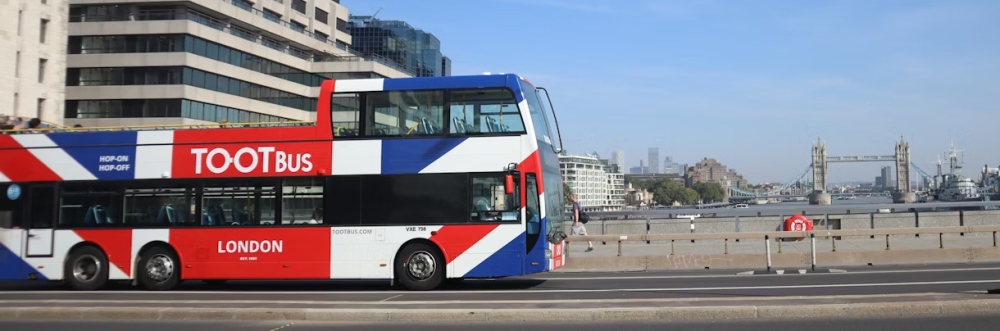
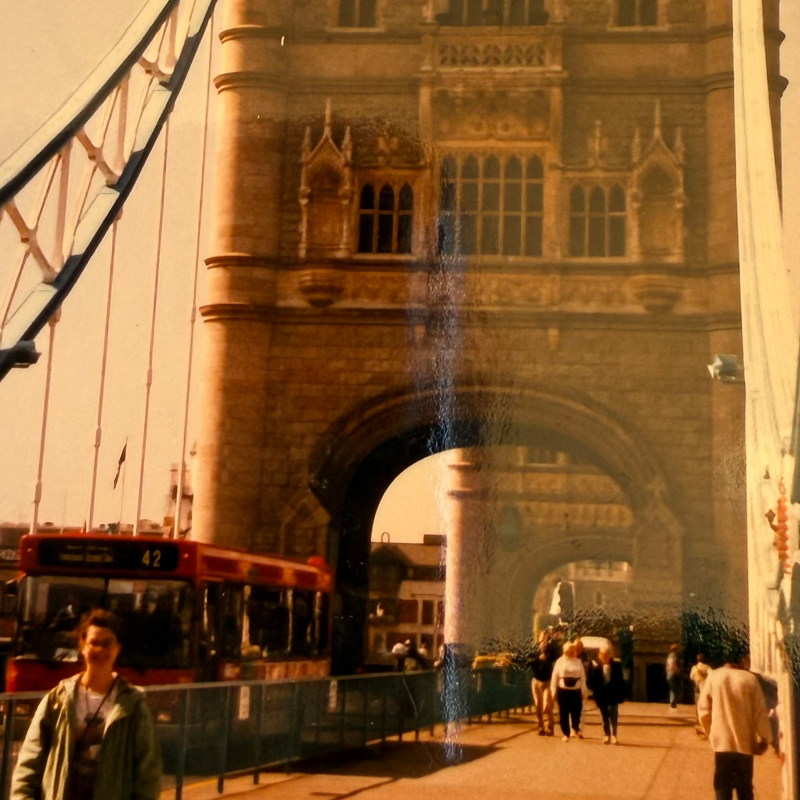
- Walking across Tower Bridge
- Watching the Changing of the Guard
- Exploring historic streets and city centers
Plan your days around these, then add paid experiences selectively.
Use Public Transportation
Avoid taxis whenever possible.
Europe’s public transportation is:
- Reliable
- Affordable
- Easy to use
Use:
- Metro systems in big cities
- Trams and buses for shorter distances
- Regional trains for day trips
In many cities, you can buy:
- Day passes
- Multi-day passes
- Contactless tap systems
This saves both money and time.
Choose Your Splurges Carefully
Not everything expensive is worth it, but some things absolutely are.
The key is to pick 1–2 standout experiences per city.
Good splurge examples:
- A historic landmark that truly interests you
- A guided tour that adds depth to what you’re seeing
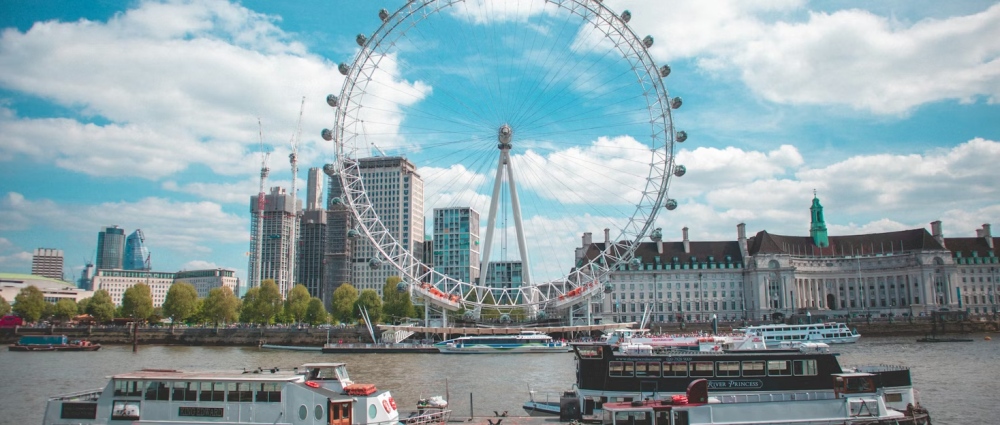
- A unique experience like a river cruise or evening tour
Many great options fall under:
- $50: walking tours, local experiences, small group activities
- Under $100: guided tours, river cruises, cultural experiences
These are the moments that elevate your trip without blowing your budget.
Skip What Doesn’t Add Value
Just because something is famous does not mean it is worth the cost.
Examples of easy skips:
- Overpriced observation decks
- Attractions far outside the city with high transport costs
- Paid experiences that duplicate what you can see for free
If it does not genuinely excite you, skip it.
That money is better spent elsewhere.
Plan Your Days Efficiently
Poor planning leads to unnecessary spending.
Avoid:
- Backtracking across the city
- Paying for extra transportation
- Wasting time deciding what to do
Instead:
- Group nearby sights together
- Walk when possible
- Build a simple daily route
This saves both money and energy.
Overall, Keep in mind
Traveling Europe on a budget is not about cutting everything, it is about choosing well.
Spend on what makes the trip special. Save on everything else.
That is how you come home feeling like you truly experienced Europe, without overspending to do it.

Tammie King
Tammie has traveled extensively across Europe, including time spent in England, France, Italy, Ireland, Scotland, Wales, The Netherlands, Austria, Switzerland and the Czech Republic. She focuses on making smart travel decisions and getting the most value from every trip. Her advice is honest, practical, and designed to help others experience Europe for less without missing out.